Thursday, 16 January 2014

Typical Conventions of Our Music Video Genre

The genre of music video is greatly determined by the sound, style and genre of the song that is being portrayed, which means that to develop good music video, we need to understand and apply the conventions of our genre as fully so that they can become an integral part of our own products.

Amanda Rogers is one of those artists that is hard to pin down to a particular genre, but her style is easily spotted in some other artists videos. Therefore, we chose to stick to Indie videos with influences from Blues, Pop and Piano music as Amanda's main genre.

Conventions 


Mise-en-scene
  • Often use of retro/vintage inspired clothing to reflect older influences of music and evoke an aged sound with a modern twist
  • Natural Lighting is often favoured over artificially lit or particularly bright areas. 
  • Use of instruments in music video 
  • Exterior Locations (tends to be- this isn't a strict convention) 
  • Sometimes vintage filters used- e.g. black and white, washed out colour etc.
  • Not as wide a variety of settings used, generally 1,2 or maximum 3
  • Similarly a limited number of costume changes
  • Editing 
  • Not a very fast editing pace (strictly depends on the song though) 
  • When compared to other genres such as R+B for example, this genre doesn't shrink time as much. Of course, being a music video, the general convention is that generally time is shrunk in indie music videos, however not to a great extent as in other music perhaps. 
Camera
  • Generally steady shots- when shaky cam used- not to great extent, tend to be of nature
  • Slow panning shots, slow motion
  • Close ups of artist to create identity
  • Low angle shots, empowering artist

Ancillary - Cover Designs and Ideas

After drafting a few different interpretations of what our album artwork could look like, we set about combining the aspects of each that worked best to create the best cover we could. We had to consider the conventions of album artwork whilst making these decisions, along with the representation of our artist and most importantly, her music. Amanda has a very unique, independent style and therefore we had to capture this in the presentation of her music just as we had done in the music video we created for "This Beauty."
Below is a rough sketch of our finished design:


We aim to design this to ahigher standard on Photoshop at a later date, where we should be able to refine the font used for the word "Heartwood" and improve it's overall appearance. We discussed wanting to make the cover look very natural and handmade to reflect Amanda's style, but also to keep it looking professional and of a high standard. Amandas name is written in a unique font meant to emulate the "red string of fate" theme that runs throughout our video. depending on our final designs for the back cover and the inserts, this thread may continue from her name and run throught the album.

We had quite a few different ideas drawn up by seperate members of the group, each of them accuarately representing aspects of Amanda Rogers' artist identity but all focusing on different features that they saw within her style and music.


For each of these seperate ideas, we focused on bothe the typography of the font's used and the iconograohy. We decided as a group, with input from people who had watched our completed music video, that our most iconic feature in the video is the red heart and string, and the shot at the hand of the heart being held in our Amandas hands. For this reason, we felt that we had to include both of these in the album, if not on the front cover then at least inside or as a motif.
 
Along with this, we felt that even though conventions of album covers show that new, unknown artists tend to feature on the front covers to create conection between the music and artist, the connection of music and ideas was more important for us to focus on. it is for this reason that only one of the designs above shows Amanda, yet still mainly focuses on setting and location. The second idea was ruled out quickly, as whilst we felt it could reflect the artistic nature of Amandas work, it didn't fully represent the concept behind the album and "This Beauty".
 
Hopefully, with this idea in mind, the rest of the album design can now be based around it, along with the poster advertising the album in which the cover must be a prominent feature.


Wednesday, 15 January 2014

Marketing in the Music Industry

Today, marketing techniques have changed a great deal since the peak of the music industry in the mid twentieth century. In the digital age, marketing is nearly all done online since there are so many ways to reach the public and spread word quickly. In fact, because of the variety of artists emerging onto the scene, now more than ever is a chance to find new, niche music. 

There are a few types of marketing that are used by nearly all artists in all genres of music...

Posters - Nowadays these tend to be distributed in magazines, on-line newspapers and websites rather than distributed physically round an area- although many still opt for this method.

Promotional Gigs -Previously bands would tour areas, performing various songs from the album to be released and generate a hype up to and sometimes after the release date of their album. Nowadays, because of the large crowds and fan base sizes, these gigs tend to be at other live events. However, other more unusual methods still occur.  
Taylor Swift for example sent out an impromptu tweet advertising an unplanned performance on Hollywood Boulevard, New York to which thousands of fans turned up. The size of her fan base made this possible, but it still drew massive amounts of attention to her and her new music.

Radio - Many artists still get a significant amount of radio play before an album or single will be released to see how well the song plays

Some other methods of marketing include:

Social Networks- Twitter, Facebook, Tumblr, Soundcloud, Bandcamp are just a few.
Word of mouth/Viral campaigns
Adverts- TV advertising in particular, along with radio, magazine and online adverts showcased on websites.

Wednesday, 4 December 2013

Editing Journal - Ongoing

When it comes to music video, editing is one of the most crucial stages of it's creation, if not the most important overall. Editing allows the pace of the song to be captured, the genre and style to be expressed, the jump cuts finally coming together and making sense, and for the meaning being conveyed in an expressive way. Editing a music video is essential for it's style, dependent upon technique and specific features that make it work as a representation of the track it accompanies. Unlike with a film, continuity and chronological order isn't all that's necessary, whic also means that creativity and inspiration come into play a whole lot more. Before we undertook this daunting task, we reaffirmed what we wanted to do and tried to come up with a basic plan for the weeks ahead.

Editing Day One
This day was primarily about importing our first few sets of footage into Final Cut Pro so that we could see what we had to work with and take it from there. All the footage from shooting days one and two took roughly an hour to transfer, and after that we went through a number of the clips to get a sense of what they looked like on screen. This meant that we ended up getting a general idea of what needed to to be reshot and how to better it before even beginning to place anything in the timeline. Once this was done, we started to put in a few shots that matched to those we had in our storyboard and then began to build around those. We realised pretty early on that we would need a lot more footage than originally anticipated and this was one of the big advantages to separating out our shoots, since it gave us time to evaluate our work and better it before reshooting.

Editing Day Two - Six
Using the footge that we had, we began to make a plan for the shots we would need to reshoot and any new ideas we wanted to include. In doing this, it meant that we could pre-empt what we would have work with a week or so later and therefore know what not to waste time on when working with the limited footage we had. Mostly, on this day and the week or so after, we experimented with ideas that might work and found our way around the Final Cut Software again.

Monday, 2 December 2013

Researching Audience

Genre...

When thinking about genre, Amanda Roger's music has many influences. Mostly it can be said that she fits into the indie genre, primarily focusing on piano blues music, or folk music, both of which are generally listened to by late teens up to late twenties. This could suggest that her music should be aimed at these types of audiences, yet that does not specifically mean it is limited to them.

Whilst this is a component of her music, it could also be considered that it has elements of the Pop music style, particularly ballads. This means that, "This Beauty" especially, her music could be used within the mainstream charts that many people watch, therefore making it well known universally.

Her music is also very relatable, especially in the case of This Beauty, as it touches upon very important issues that early teens through to older women can identity with. This further extends her demographic to younger audiences and far older, especially if it were entered into the charts. Having a wide target audience like this means that it could be considerred more poipular than than the genre simply suggests.


Sound...

The music that Amanda writes is musically defined as a subtle mix between Jazz, Blues, Folk, Pop and Indie. She takes influences from whomever and whatever inspires her, helping her to creat a unique genre fusion that gives her a completely unique sound. This covers more than the target audience of her Genre of music, as audiences who are older may have an interest in the wider range of styles she showcases in a variety of her songs.

Appearance...
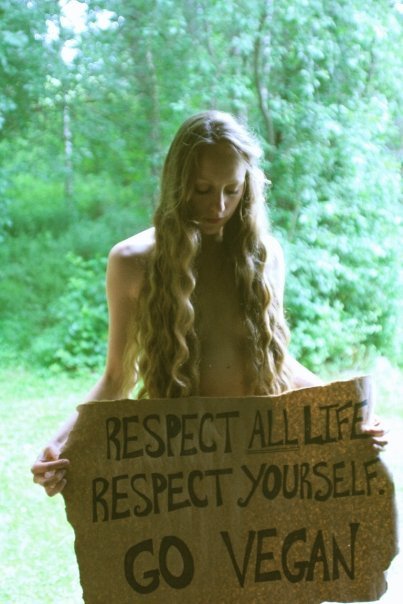
Amandas style is very distinct and natural, yet from this, is highly different to many mainstream artists. This is not a bad thing, yet it does serve to narrow her audience somewhat, with her strong views on how the world should be treated.

Sunday, 24 November 2013

Researching Lighting and Colour

Lighting

Lighting may be an issue for us considering we are shooting in a forest so we will be relying on natural light for all of our shots. This is something that we will find challenging when coming to shoot, keeping the same light and colour to make it flow and look like it was all shot on the same day at the same time. Because of this, we thought that if we shot early in the morning, we would get the hues of the rising sun on our videos. Another thing that we have to worry about is the weather. This will effect us if its all cloudy because the lighting will be darker and as a whole effect will make our video seem very negative and bland. Although in our orginal ideas we wanted bright suns and bright lightings, we thought that knowing our luck we will be stuck with horrible weather and really dark lighting. We thought that this caught work in our favour because its almost like the rain is washing away all the bad stuff and almost purifying her. So either drastic rainy weather or bright sunny weather and we will be fine!

Another thing that we thought we could use if it gets too dark is to use the light box that was provided with the camera to use as extra lighting if we're filming under the heartwood tree and we need that extra little bit we can use it. It is also helpful that this light has filters available to use such as a pink; for a warm feel and yellow; for a bright sunny feel. I think that when coming to close-ups we will find it really useful to use this extra light.

When sketching out our ideas, it was very clear that we wanted sun spots somewhere in our music video to create a natural, 'sun bursting through the trees, natural beauty' look. We thought this would help echo Amandas personality and also the personality of the song. Obviously on the day if its bad weather we won't be able to get this effect, but hopefully if we leave early in the morning, we can catch that first sunrise effect.

Colour

For the colour which was already discussed in the costume research, we were hoping for a pale palette for the costume to connote purity and innocence and being at one with nature.

For the colouring of the video we wanted bright colours because the song brought to mind lots of bright colours. Along with this, because the song is quite pop and fast paced we saw lots of different colours so we decided to replicate this for the video and have a bright colour palette. This will also reflect on the mood that we have to our piece of music and the overall "nature is the centre of everything" ideas. We feel that by having this kind of colour in our music video that we can convey not just a music video, but a postive message out to people who watch it because that was the whole idea we wanted

Saturday, 16 November 2013

Production Journal

Compared to our last shooting schedule, I think I can honestly say that everyone in our production group felt a little less prepared than we did last year. This wasn't for lack of planning - we had everything shotlisted and storyboarded up to date like before - but producing this music video, we felt as if we had a lot more to live up to. When making a music video, your narrative, theme and tone are already set for you. What's left to you is the interpretation of those things and their visual recreation. For that reason, we felt that we had to be far more accurate than we ever have and produce the best interpretation of This Beauty as we could.

Shooting Day One

We had planned to begin our shooting on a Sunday mostly because of logistical and timing issues with getting the group together but plenty of things halted the process somewhat. The nights have slowly been drawing in as winter approaches, which means that we now have far less time to get the shots done that we need. Eventually, we left for our location at Langley Park two hours later than intended, which really showed us how rapid we had to be with our preparation for shooting and the actual production itself. After arriving, we dressed our set, decorating the "Heartwood Tree" with red thread for narrative and performance shots and set about obtaining the first shots on our shot list. We had two cameras available to us and  so we used this to our advantage, filming a full runthrough of our Amanda performing the song from the treetops at two angles.


Once this had been done, we set about getting some more dynamic performance shots of our Amanda roaming the area around the tree, which we intend to use in the chorus sections of the song where the music is much livelier.
When we looked at these shots after packing away the equipment due to light constraints, we realised that the shots we had were quiet dark, although this may be possible to correct in post production.

Shooting Day Two

We had one major problem for this days shooting schedule - the weather. Our plan included getting to our next location, Black Park, early in the morning to allow us maximum time for shooting all the scenes we needed to get done in time. However, what we didn't anticipate or plan for was hurricane force winds overnight! We found out early in the morning of our filming day that both locations were closed until they had been deemed safe enough to enter again. This made us unsure whether or not we could actually film and in that respect, whther it was worth our time goingto a closer location to obtain shots that weren't reliant on having the parks as our centre piece. Thankfully, just as we made the decision to film what we could with what we had, we discovered that Black park only had been reopened. After losing a good four hours shooting time, we rushed down to film.

Whilst there, we managed to get a good collection of shots, starting with panoramas of the trees when the sun graced us with it's presence. With the two cameras on hand, we were also able to film our Amanda performing in the tree's whilst getting other, transitional shoots that we thought it best to have incase we needed them. We got the specific lyrical shoots for "and those greens and those blues", perfectly replicated by the green tree ops and then blue sky, as well as the opening shots, and shots containing the thread. Lighting was another key issue here, as well as some costume problems due to the cold, but this were easy to overcome on the day. Both the steady cam and the tripod were used frequently along with the cameras, but this was the first shooting day where it really hit home how much we had to film.

Shooting Day Three

This was not so much of a day, rather than a few short hours. Two members of our production group, including me, went to Langley park to film a series of nature shots needed for the end of our sequence. The sunset was truly spectacular and so we set about taking shots to focus on the specific lines of the song, representing the lyrics. "I will find a silver lining sometime" and "Blur my vision" were the simplest to achive, yet effect all the same. The sunset provided glorious lighting and colour yet at the time, we did not consider how this might imapct us later in post production, as each days filming looked very different because of factors like this. However, we were pleased with what we had, and if nothing else, loved the spontaneous shots.

Shooting Day Four

This was our biggest, most detailed day of shooting out of all our previous attempts. For this day, we planned in depth like we did for our film opening: we wrote a shot list out based on what we needed to film first and last, we planned to meet nice and early and even scheduled to the last minute. We had around 5 hours to complete all the shots we needed and so we had to make sure that we were ready to spend this length of time outdoors. This was paticularly crucial for Lorna, as our Amanda, who would be spending prolonged ammounts of time in the freezing outdoor environments in dresses that were not designed for the temperatures. As we began to shoot, we realised that this would be one of our biggest issues to overcome as it meant that Lorna could only shoot for a short period of time before having to wrap up in coats. Despite this, I did find that it made us a lot more selctive of what we were shooting in each area and made us much more aware of the time we had to spend on getting the shot right.

We began the day focusing our efforts around the heartwood tree once more as we believed that this would be the most pratical place to start. Given that the dressing of the area required a fair amount of time to set up with the red thread, we felt it best to get the shots we needed their first, in case we grew short of time or most importantly light towards the end of the shoot. The warm sunlight that we had at the begnning of the day worked well with shooting under the cover of the trees and I think that having worked with such dark lighting in the same location on our first day of shooting prepared us for working around lighting difficulties outside and knowing how to adjust each shot to make it easier to work with when editing the colour in post. We also decided to film from threee seperate angles once more, allowing us a little more variation to work with later on.


Once we had checked most of the shots from this location of our shot list, including both the ones in the tree and the areas around it, we moved on to the next area, which we nicknamed the photo tree. Here, we planned to string up magazine photographs on the tree and in the areas surrounding it, to get shots of Lorna tearing them down, representing her disregard to the fictional definition of beauty. As it was getting colder, we had to work even faster and allowed our Amanda a while to warm up as the rest of our group climbed the tree to string up the images.

Deciding to use only one camera for this area, we obtained shots from numerous angles, some with performance, others without. We had to plan carefully what we wanted to do for these, as once we had torn down the photos there was no way of getting them back up, especially with continuity in mind. For this reason, we rehersed each tearing down moment to get the one shot as near to perfect as it could be. In retrospect, I think it may have been a better idea to have cut double the amount of photos so that we could repeat the scene, as we weren't fully happy with what we ended up with, yet this was probably best in terms of the time we had left. Light was leaving us swiftly.

By this point, all the batteries on our cameras  were nearly completely drained, even though we had prepared fully before we came out. Our last few shots ended up being a race against time, conserving as much battery life as possible. We filmed on the walkway area, getting most of the shots we needed by running frantically with the two remaining cameras out of the original three, making sure the dress shots were as visually dynamic as possible. We had to call cut when the last of the cameras run out of power.

Overall, I think filming went better than we had hoped, seeing us feel a little more prepared than we had done before the shoot. However, there are many things that could've been done to improve our results and I think most of this was due to having to work in such unpredictable conditions, which tested our ability to adapt and rethink more than ever before. Hopefully, when editing we will to use all the shots we obtained on the day and won't have to reshoot a thing, if all our planning pays off.